Master These 10 Soft Skills to Succeed in Your Job Hunt
Finding a job
September 30, 2026
Master These 10 Soft Skills to Succeed in Your Job Hunt

Yango Group
HR Brand Team
When preparing for a new role, job seekers often focus on hard skills: technical expertise, certifications, and measurable results. Important, yes, but not enough. Employers also look at how candidates communicate, solve problems, work with others, and adapt to change.
That’s where soft skills come in. These personal attributes shape how you handle everyday work, from collaborating with co-workers to making decisions under pressure. And unlike hard skills, they can be harder to prove with a single line on a resume.

In this guide, we draw on insights from Alua Akhmetova, International Business Support Recruitment Team Lead, to look at the top 10 soft skills for job hunt success and, more importantly, how recruiters recognize them in practice.
You’ll see what strong communication, problem solving, emotional intelligence, adaptability, and other soft skills actually look like in an interview, plus practical ways to develop and demonstrate them throughout your job search.
1. Communication Skills
Without strong communication skills, even brilliant ideas can fall flat. And communication goes way beyond polished speaking. It includes verbal communication, active listening, and picking up non-verbal cues. Employers expect you to adapt your communication style: one day it’s a quick email, the next a public speaking presentation, or maybe walking co-workers through a process without confusing them.
In an interview, those communication skills are already on display. A recruiter can see them in how clearly you structure an answer, separate the important details from the noise, and explain your work to someone who may not know your industry.

Effective communication also depends on active listening and knowing what your audience needs.
Being able to keep the substance while dropping unnecessary jargon is a strong sign that you can communicate effectively with different audiences.
The real tell is: can they adjust how they explain something depending on who's listening?

Alua Akhmetova
International Business Support Recruitment Team Lead
That ability matters well beyond the interview. The same communication style helps you get an idea or decision across clearly to a client, a teammate or leadership.
2. Problem Solving
Problem solving skills are among the most required soft skills. In an interview, how you reached a solution can matter as much as the solution itself.
When describing a problem you solved, don’t jump straight to the answer. First explain what happened, why the problem came up, what you investigated, and how that shaped your next step. Then explain why you chose your solution over other options.
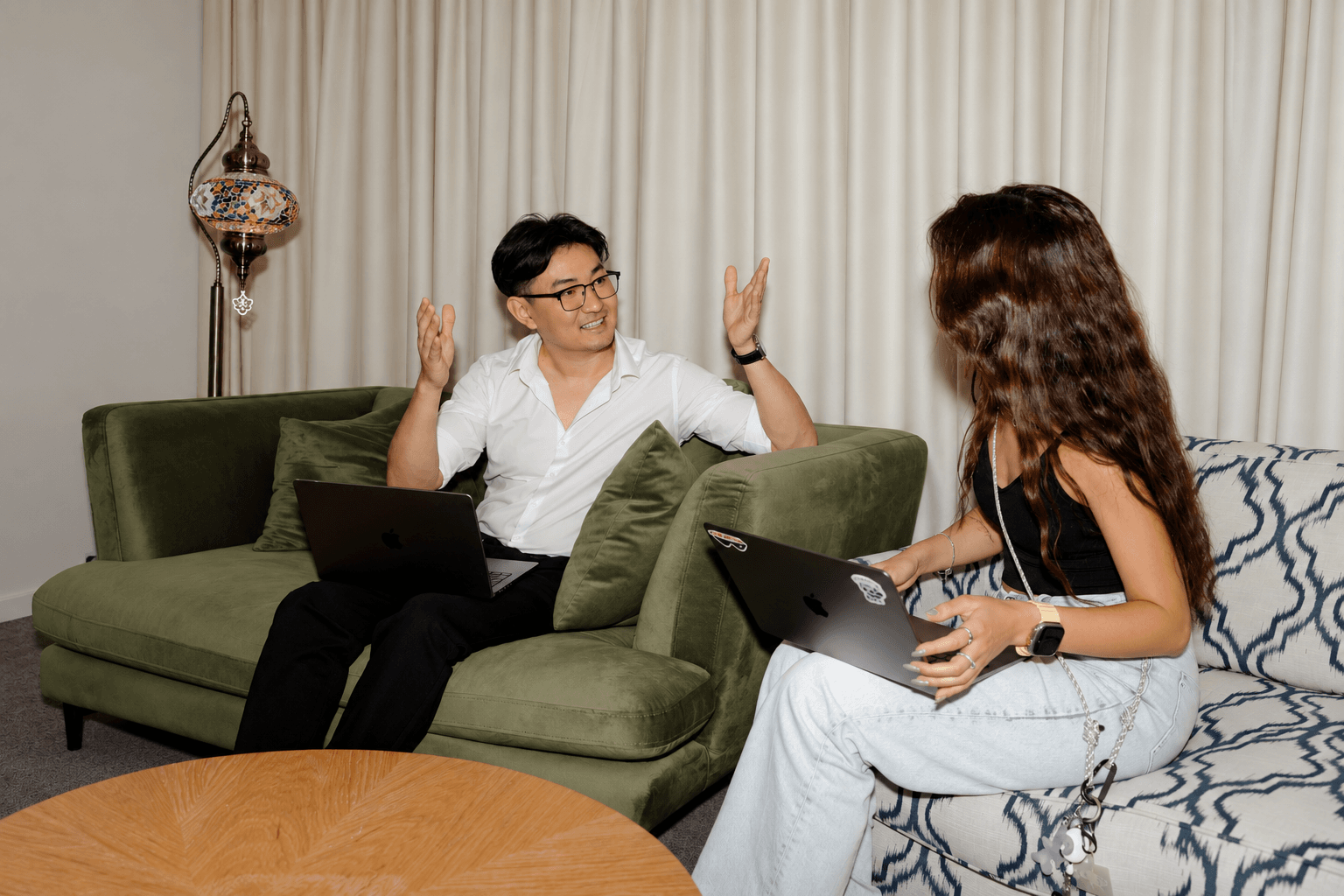
This gives the recruiter evidence of your problem solving rather than just a polished result.
The setbacks matter too. A story where everything worked perfectly can reveal less about your problem solving skills than one where you can identify what went wrong and how you responded.
I underestimated the risk here and this is what I changed after tells me much more than a perfect outcome.
Alua Akhmetova
International Business Support Recruitment Team Lead
Showing the reasoning, trade-offs, and mistakes behind a decision makes the example feel real and demonstrates that the result came from deliberate choices rather than a lucky guess.
3. Emotional Intelligence
High emotional intelligence, also called people skills, goes beyond empathy. It combines self-awareness, emotional control, and the ability to build strong relationships at work. These skills are especially useful when navigating conflict or receiving feedback.
In an interview, emotional intelligence often becomes visible when you talk about those situations.
A strong answer doesn’t simply prove that you were right. It shows that you understood another person’s perspective and were willing to let new information affect your own view.
What actually convinces me is when the other person's point of view changed something: not ‘I listened’, but ‘and because of that, I saw it differently’.
Alua Akhmetova
International Business Support Recruitment Team Lead
The same applies to mistakes and feedback. Instead of blaming circumstances or co-workers, explain your own part in what happened, what you learned and what you changed afterwards.

Being able to discuss a mistake calmly and without getting defensive can demonstrate self-awareness and ownership more convincingly than a story with no rough edges.
4. Teamwork Skills
Good teamwork requires clear communication, the ability to work through different opinions, and a willingness to support co-workers. Strong teamwork skills show in how you collaborate effectively, share credit, and help the team move forward when things get difficult.
In an interview, focus on your own contribution to that process. Explain how you communicated, supported co-workers, or handled different opinions.
For example, you might describe how you clarified responsibilities or encouraged quieter team members to contribute.
5. Leadership Skills
Employers look for leadership skills everywhere, not just in management roles. Leadership means initiative, motivating others, and guiding projects. Strong leadership blends technical skills with adaptability, integrity, and emotional intelligence.

You don’t need a management title to demonstrate leadership skills. In an interview, choose an example where you took ownership of a project, stepped in when a team needed direction, or supported a colleague’s career growth.
Focus on what you initiated and how your actions affected the team or project.
6. Critical Thinking
Critical thinking skills help you separate fact from assumption. Strong critical thinking helps you make informed decisions and overcome obstacles in dynamic work environments.
When demonstrating critical thinking in an interview, the reasoning matters more than arriving at a flawless final answer. Start by showing how you identified the real problem rather than immediately solving its most obvious version. Then explain which alternatives you considered and why you chose one over the others.
Ambiguity can make an example even stronger. If you didn’t have all the information, explain what was missing and what you did about it: whether you looked for more data, made an informed assumption, or moved forward while acknowledging the risks.
I care about the reasoning, not the final answer.
Alua Akhmetova
International Business Support Recruitment Team Lead
That gives employers a clearer picture of how you make informed decisions when there isn’t an obvious right answer — rather than how well you can reconstruct a success story after the fact.
7. Time Management
Good time management means knowing how to prioritize tasks, stay focused, and maintain productivity in fast-paced environments. Employers want to see that you can accomplish tasks consistently without burning out.
In an interview, show your time management skills through a specific example. Explain how you prioritized competing tasks, adjusted your schedule when priorities changed, and still met an important deadline.
This makes transferable skills like reliability and the ability to maintain productivity under pressure easier to see.
8. Adaptability
Workplaces shift quickly, thanks to digital technologies. That’s why adaptability is a soft skill required to succeed in the modern workplace. Continuous learning and personal development help you adjust your approach as circumstances change.

But simply saying “I adapt well” won’t demonstrate adaptability. A stronger example shows what you actually did when circumstances changed: how you assessed the old and new approaches, learned what you needed, and decided what would work better in the new situation.
That's the real difference between someone who just went along with a change and someone who thought it through first.
Alua Akhmetova
International Business Support Recruitment Team Lead
So when choosing an interview example, look beyond moments when you simply accepted a new process or learned new software.
Focus on a situation where you had to evaluate the change and adjust your approach deliberately.
9. Cultural Competence
Cultural competence has become an in-demand soft skill in global teams. It strengthens interpersonal skills by helping you recognize cultural differences, consider other perspectives and collaborate effectively across cultures.
If you’ve worked with international co-workers, choose an example where cultural differences affected communication or collaboration.
Explain what you noticed, how you adjusted your approach, and how that helped you resolve the situation in a respectful manner.
10. Work Ethic
Work ethic is one of the core skills employers care most about. Reliable employees follow through on commitments, take responsibility for their work, and act with integrity. These qualities become especially visible when something doesn’t go according to plan.
That’s why a setback can be one of the strongest ways to demonstrate work ethic in an interview.

Explain what went wrong, why a deadline slipped or a mistake happened, and crucially, what part of it was yours. Maybe you underestimated the workload, missed a risk, or didn’t adjust your approach soon enough.
Naming your own part in it and what you changed after is real accountability.
Alua Akhmetova
International Business Support Recruitment Team Lead
This matters whether you’re applying for an entry-level role or a management position. Employers aren’t looking for someone who has never made a mistake. They’re looking for signs that you take responsibility for your commitments and decisions, learn from setbacks, and remain reliable under pressure.
How to Showcase These Skills in Your Job Search
Make your soft skills visible throughout your job search:
- Read the job description and identify the right soft skills for the role.
- Add a dedicated skills section to your resume where you can highlight soft skills alongside relevant hard skills.
- Use STAR stories in interviews to demonstrate transferable skills such as problem solving, communication, and conflict resolution.
In your cover letter, connect specific skills and personality traits to real examples and results.
Before your next application, choose the skills that matter most for the role and prepare evidence for each.