How Yango Group Invests in People, Businesses and Local Communities
Yango Group
October 8, 2026
How Yango Group Invests in People, Businesses and Local Communities

Yango Group
HR Brand Team
At Yango Group, corporate responsibility is closely connected to the ecosystems in which our services operate and grow. Building the next generation of digital services depends not only on technology, but also on people with the skills to participate in the digital economy, entrepreneurs able to build and scale new ideas, and the ability to turn emerging technologies from experimentation into practical use.
This is why we invest across three areas: people, businesses and technology.
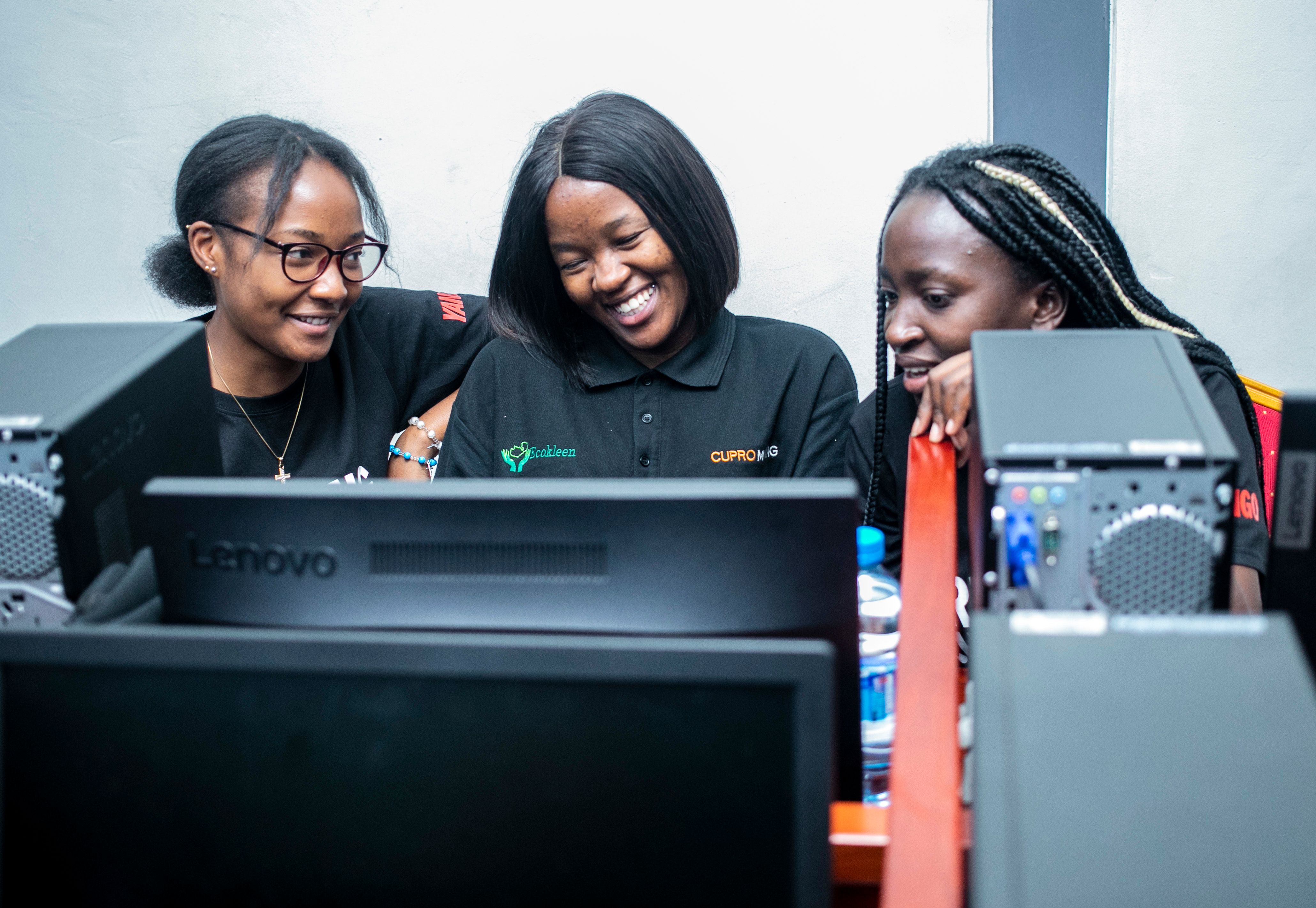
What this looks like in practice varies from market to market.
Anastasia Chukovskaya leads our work on corporate social responsibility in education, youth empowerment and access to opportunities. She shares how these priorities take shape across different markets and what it takes to make them work locally.
From Sharing Expertise to Building New Opportunities
Education is one of the areas where this approach is most visible.
Yango Group was built by engineers, developers, data scientists, product specialists and many other professionals who continue to learn throughout their careers. In many of the countries where we operate, talented and ambitious young people already have ideas and motivation, but access to industry experts, practical knowledge, professional networks or detailed feedback on their projects can still be limited.
We want our colleagues to help bridge this gap by sharing their expertise, mentoring young people and showing how technology is built and used in the real world.
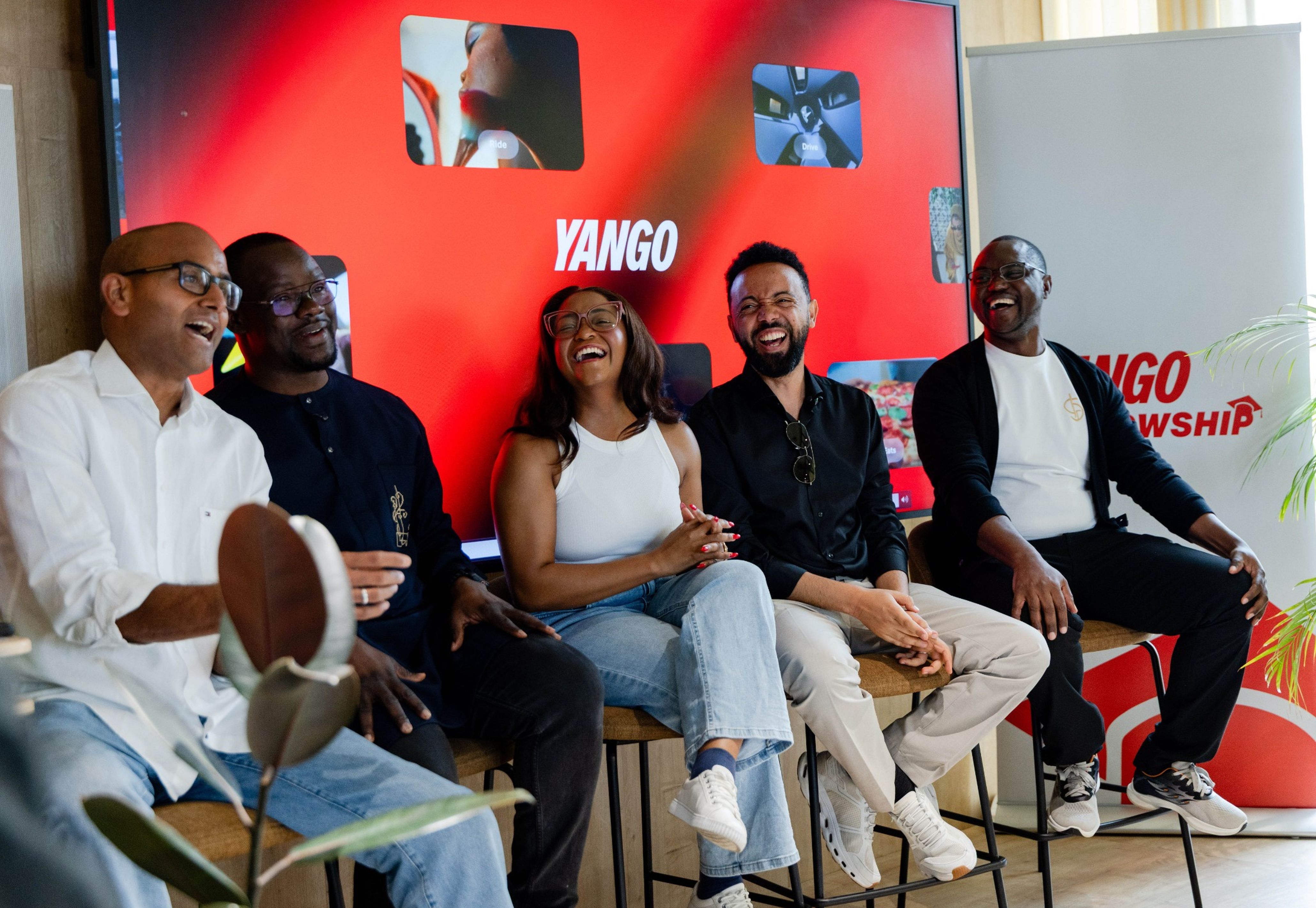
One example is the Yango Fellowship.
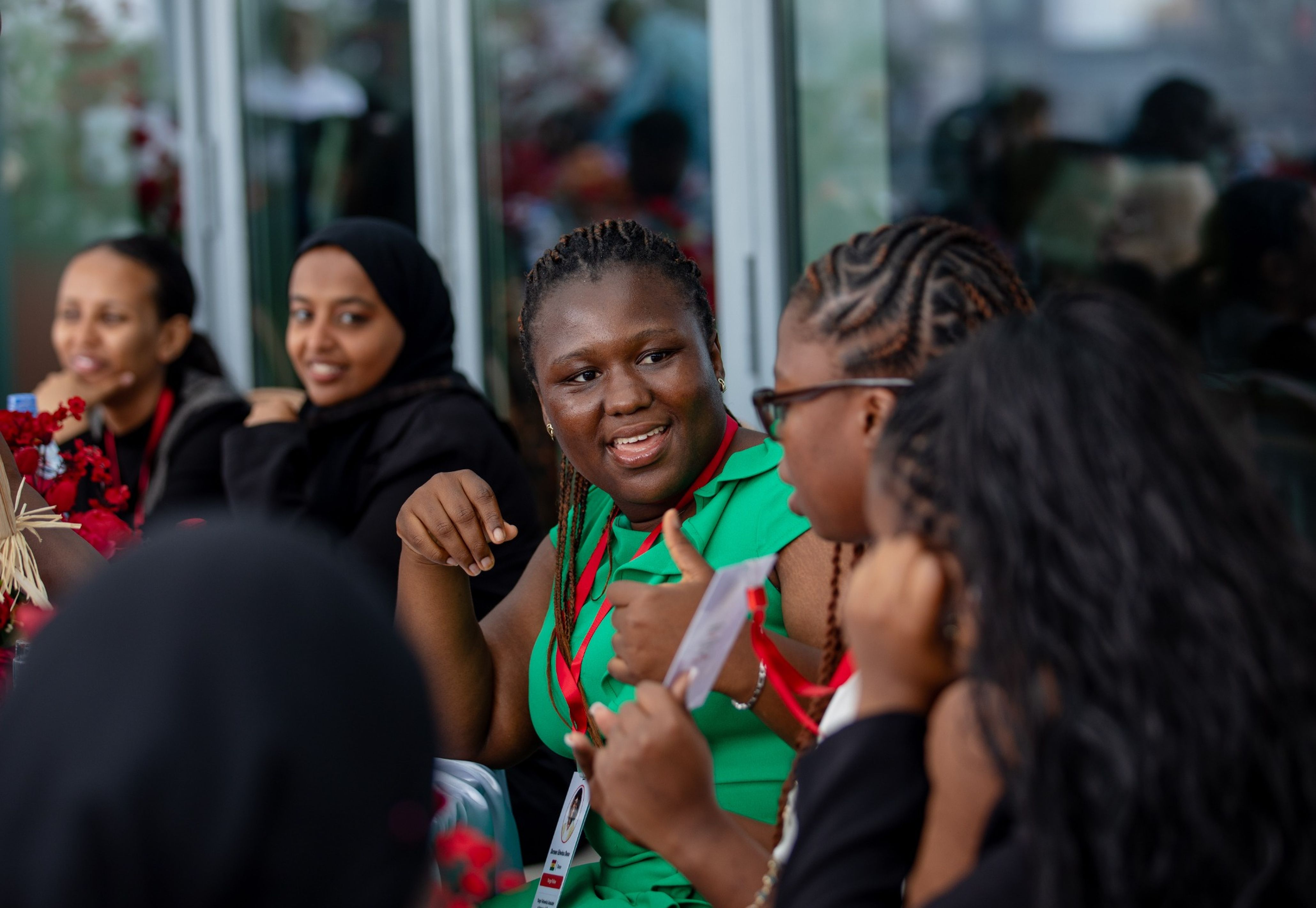
The program grew from an initiative for STEM students in one country into a regional program that in 2026 brought together young people from six African countries: Zambia, Côte d’Ivoire, Ghana, Ethiopia, Senegal and Mozambique.
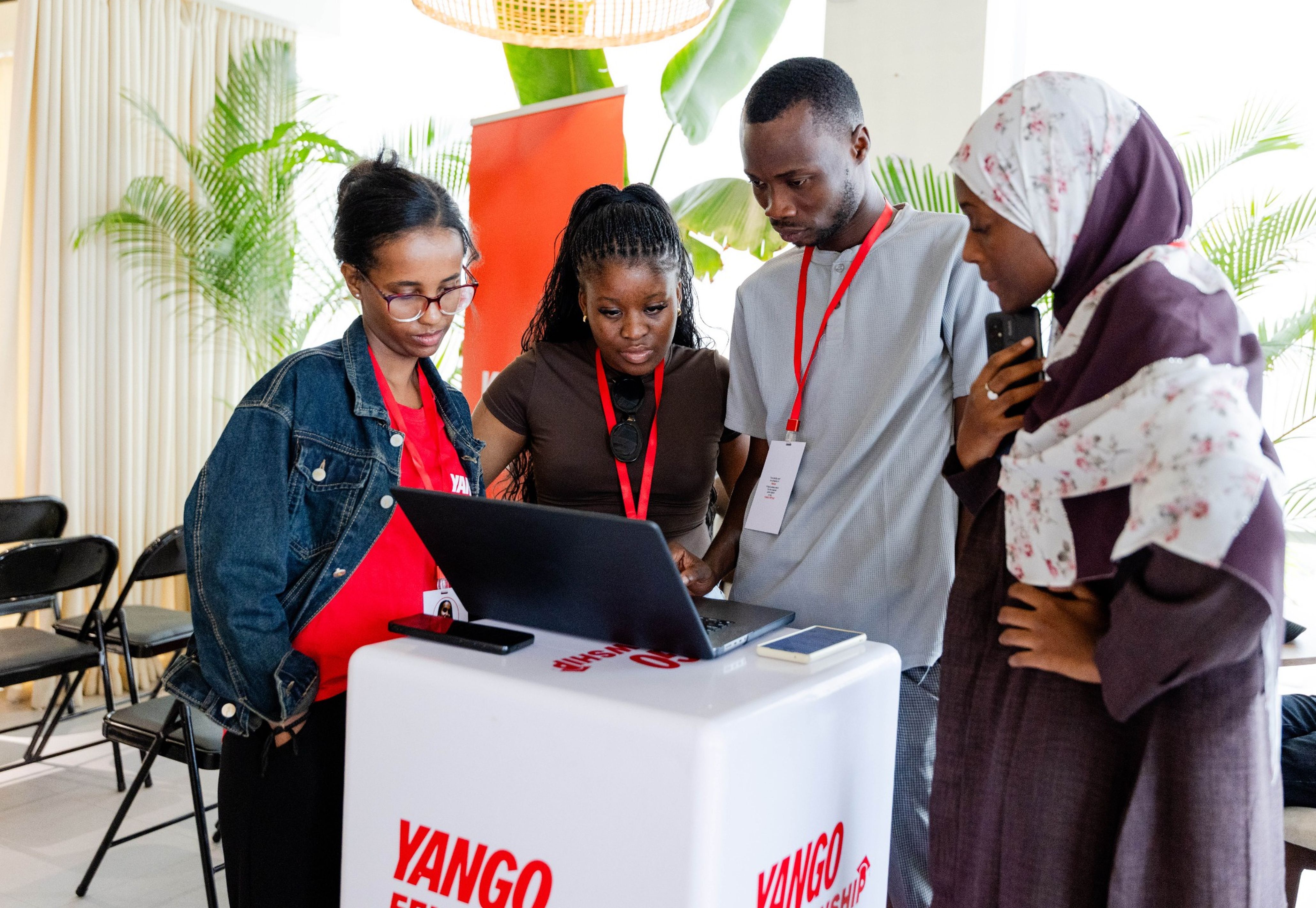
More than 600 people applied for the 2026 cohort, and 24 Fellows were selected. Over 12 weeks, they developed skills in AI, Python, design thinking, leadership and storytelling, received career coaching and applied what they learned to practical challenges across African markets.
Turning Skills Into Practical Solutions
The projects developed by Fellows addressed challenges ranging from employment and urban mobility to education, waste management and access to finance.
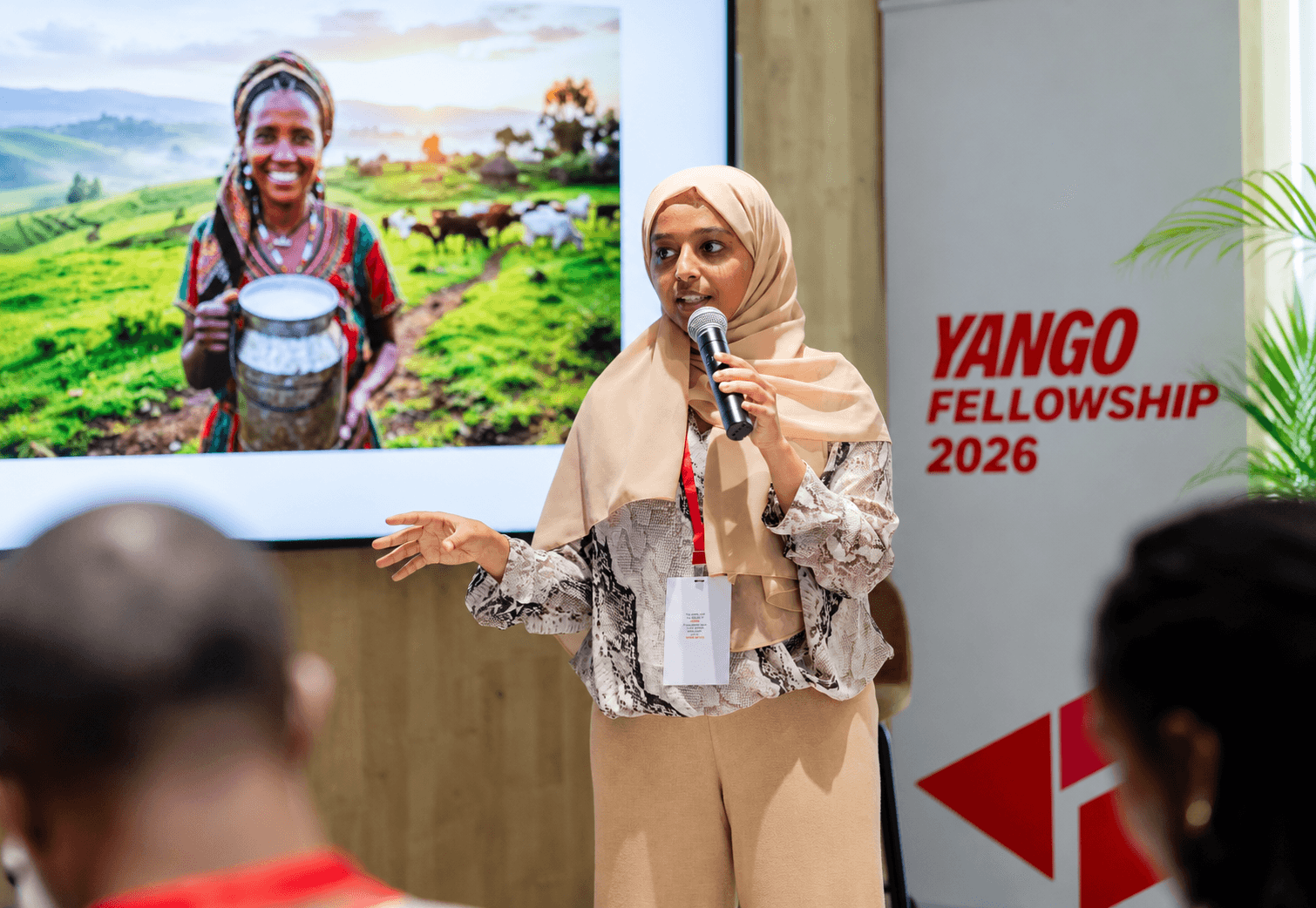
The winning group projects included Africoded, an AI-assisted platform connecting African job seekers to cross-border employment, remote work and career-development opportunities across the continent, and Harambee, a smart waste collection and recycling system connecting households, waste collectors and recyclers through on-demand pickup requests and recycling rewards.
Another winning project was Bloom, a cashless fare-collection system for minibuses, trotros and other informal transport across East and West Africa, using tap cards and mobile-money top-ups.
The winning individual projects included RoboCore Zambia, a locally developed robotics platform designed to make STEM education more affordable and practical, and Shuttle Smart Ghana, a mobile app that helps students track university shuttles.
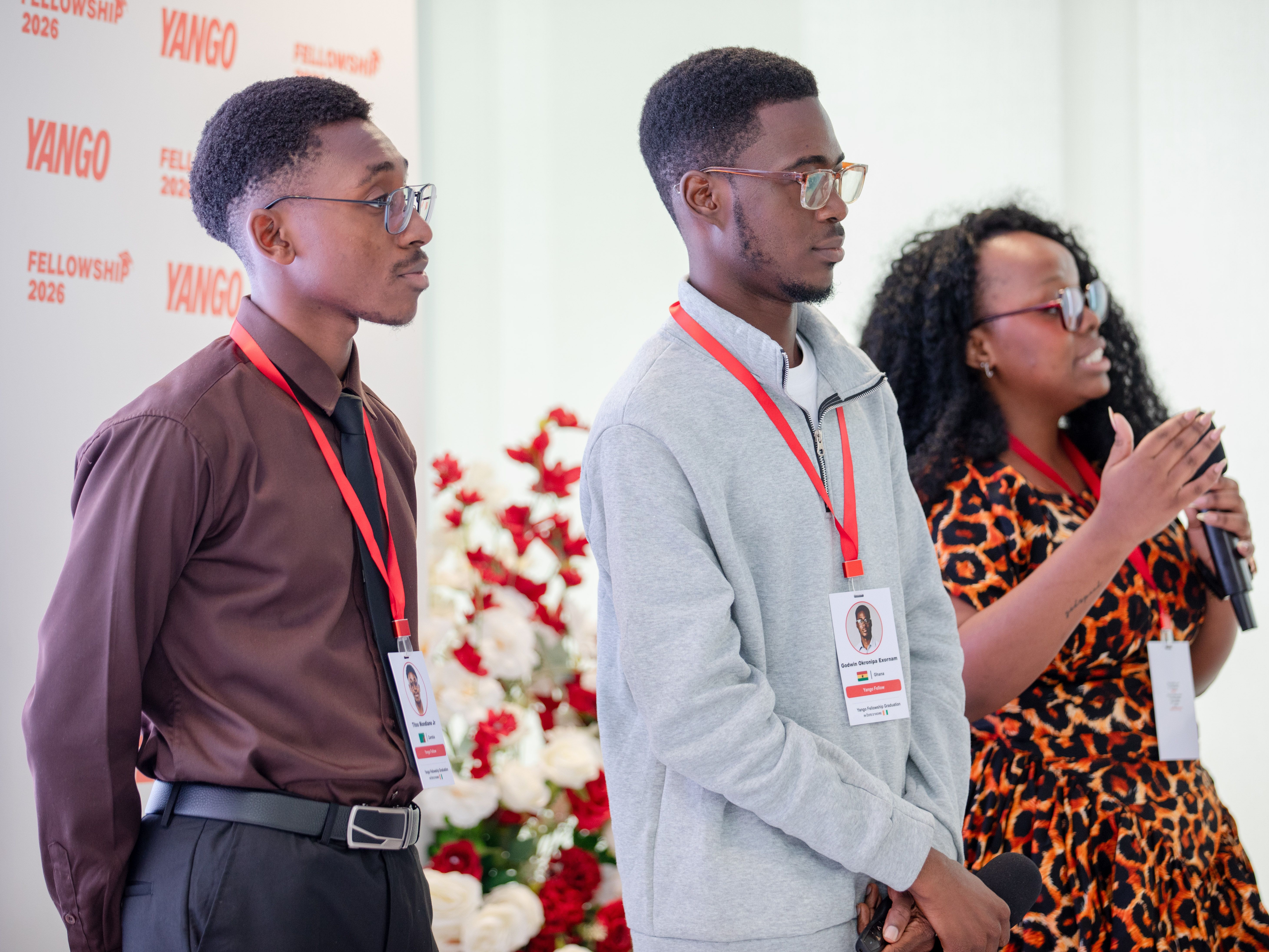
Smart Bin Collection Senegal, also recognized among the winning projects, is a solar-powered smart bin that monitors fill levels in real time and sends data via 2G to improve waste collection.
Other Fellows worked on challenges such as improving access to medicines in rural areas, reducing post-harvest losses for farmers and helping informal merchants build verified transaction histories to access loans. Projects also explored bringing African languages into AI-powered customer support and creating fairer, easier-to-use marking systems for schools with little or no digitalisation.
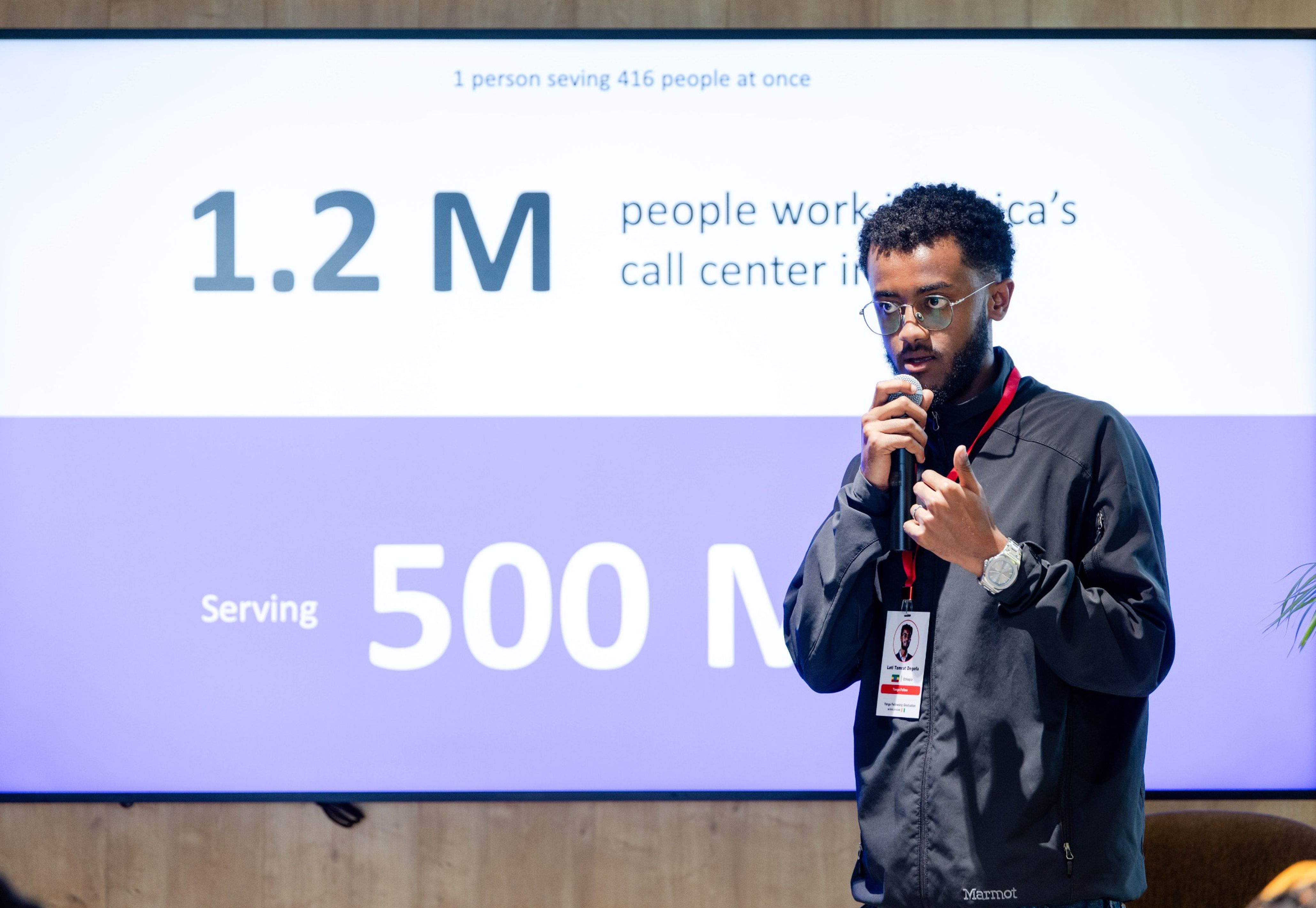
You are giving talented young people the skills, exposure, networks and confidence to start building with it themselves.

Anastasia Chukovskaya
Corporate Social Responsibility Lead (Education, Youth Empowerment, Access to Opportunities)
Supporting Businesses and Local Solutions
In Côte d’Ivoire, DigiFemmes / Elles passent au digital supports 100 women entrepreneurs in developing digital and e-commerce capabilities.
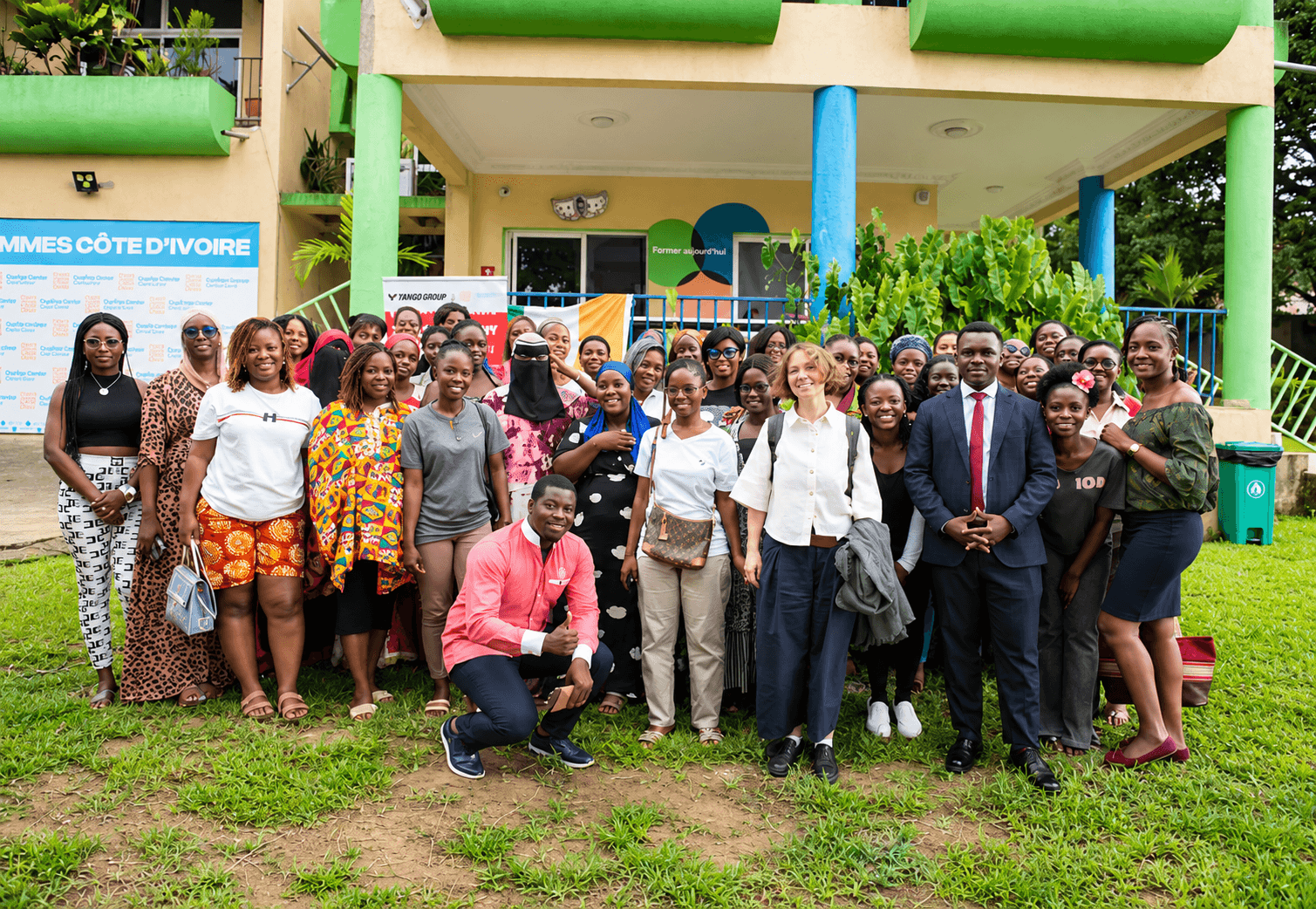
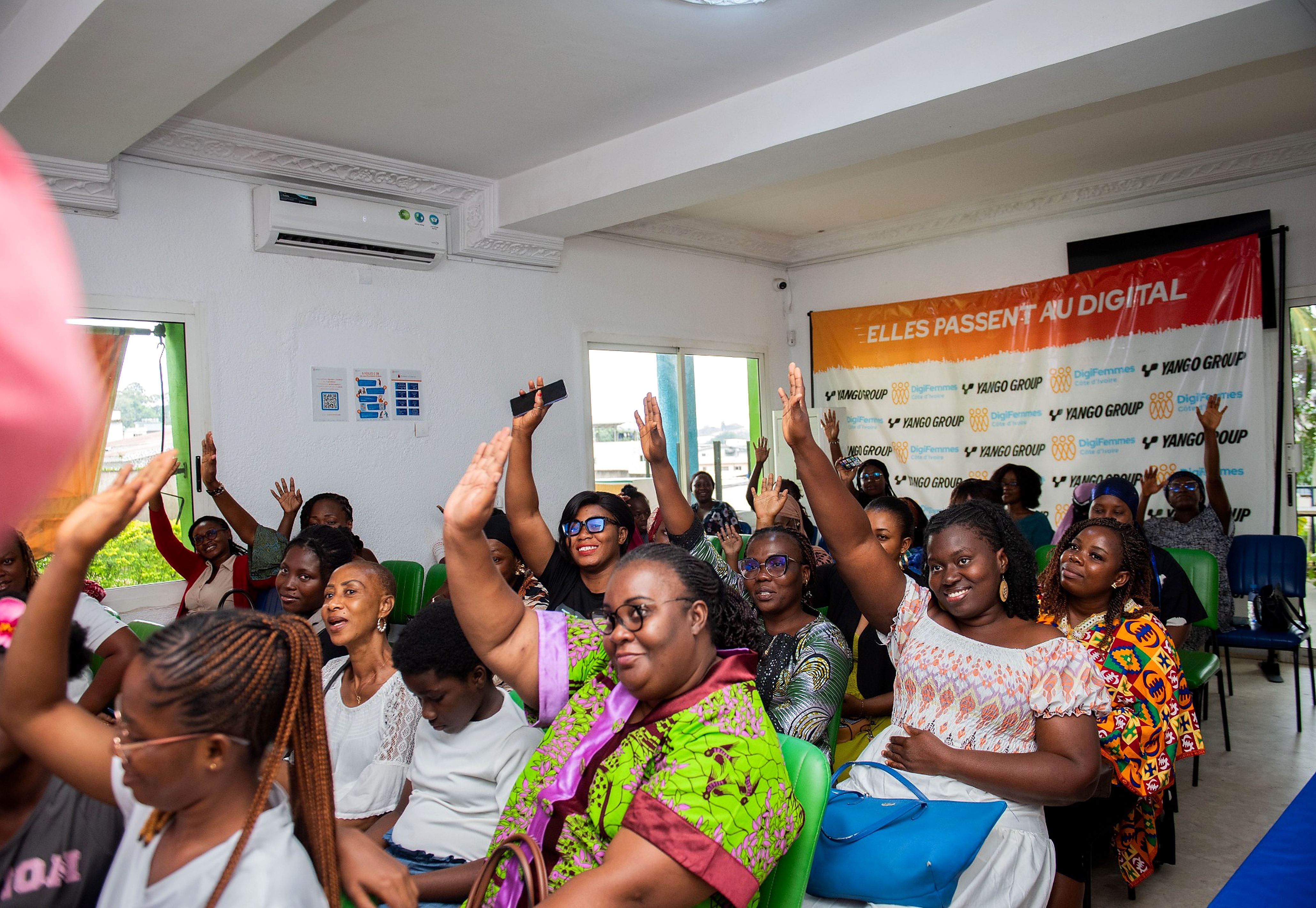
The program helps entrepreneurs integrate digital tools such as AI into businesses that already exist and use them to reach customers and grow. We support the program with expertise and free deliveries.
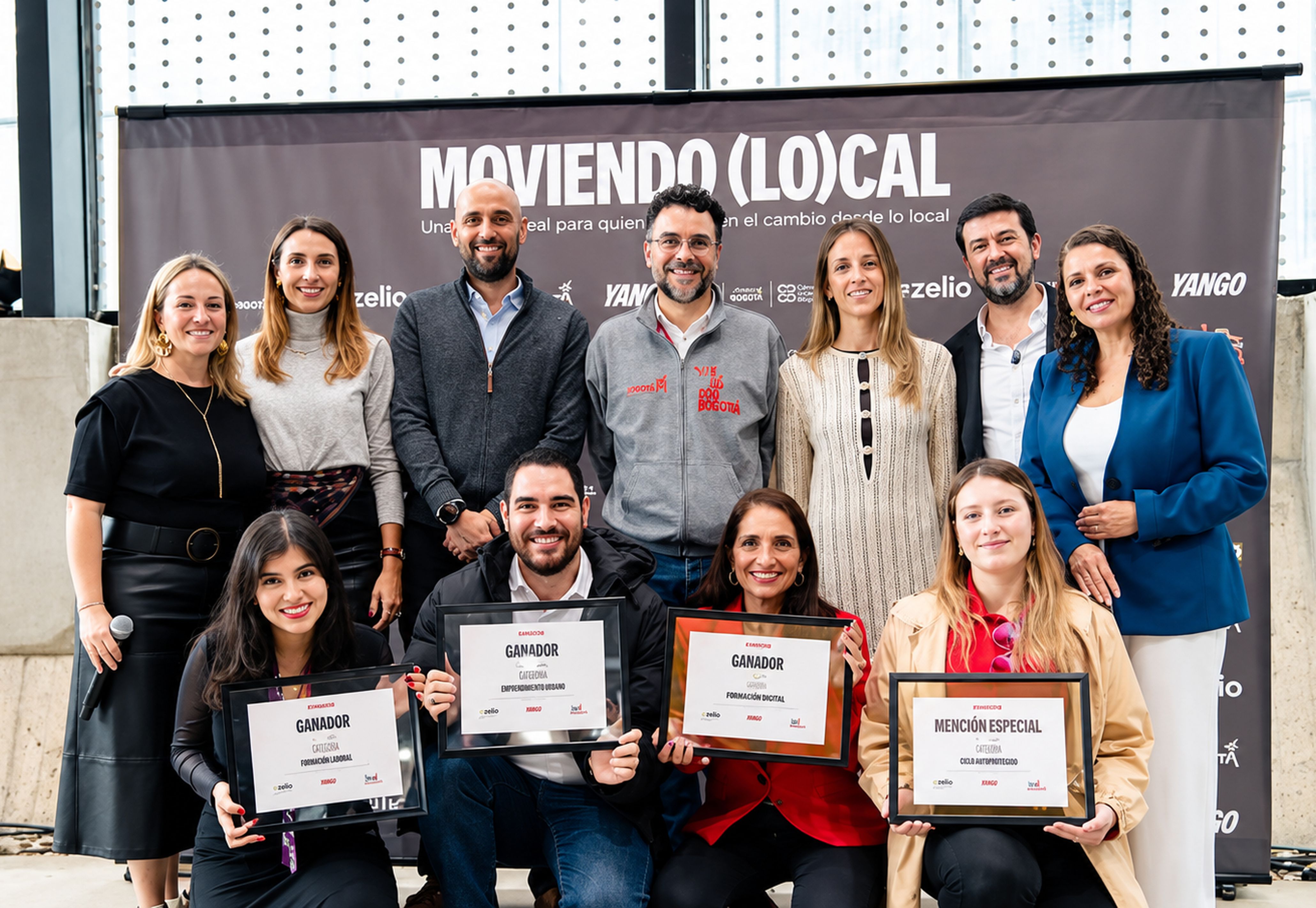
In Bogotá, Yango Group ran Moviendo LOCal, an open call for local organisations that identify challenges within their own communities and propose solutions.
The selected projects address different needs, including digital inclusion for people over 50, entrepreneurship for rural youth and women, and safer working conditions for recyclers. The team looks at what works in one market, what can potentially scale, and what needs to remain very local.
Investing Beyond Digital Services
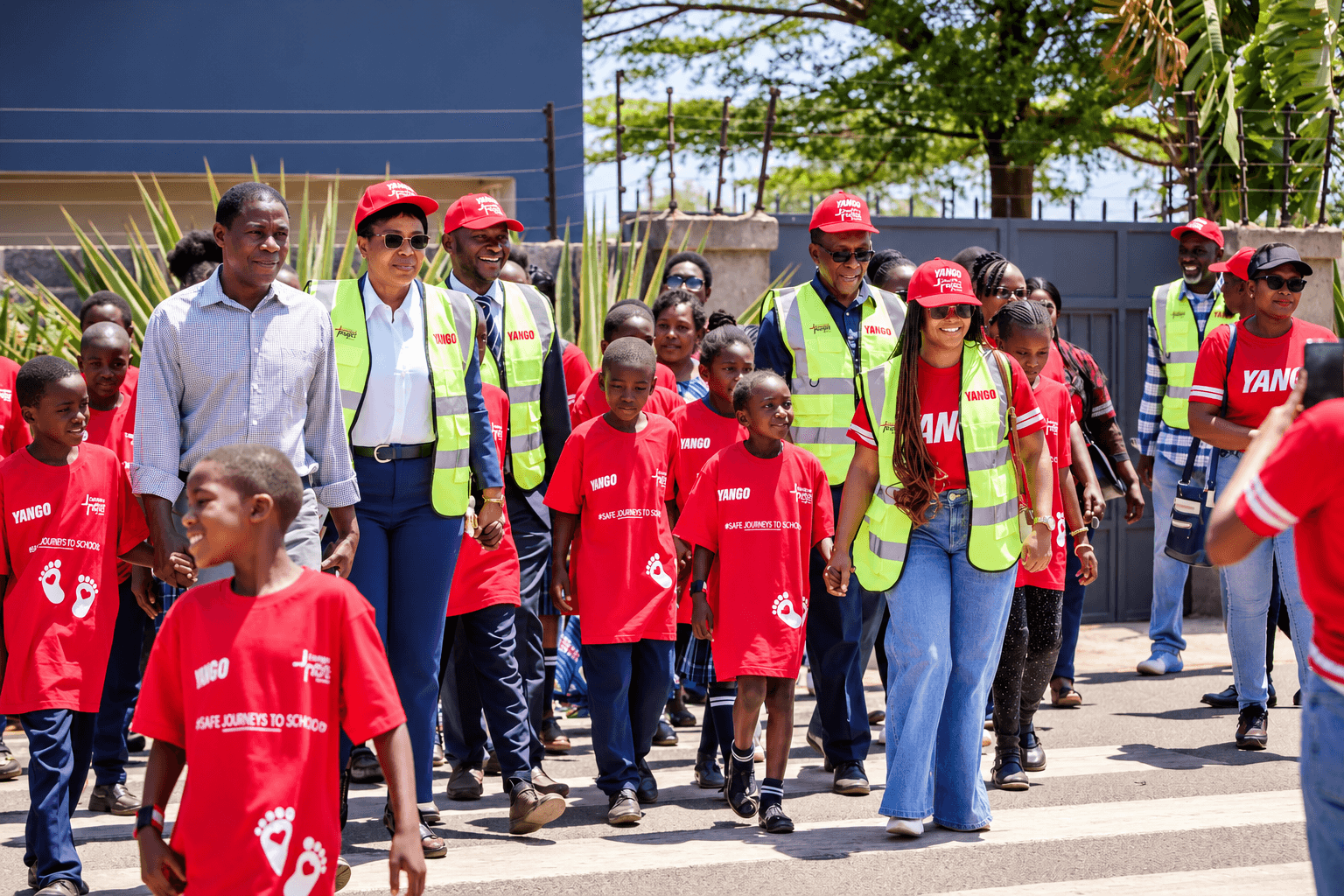
In Zambia, Yango Group partnered with the Zambia Road Safety Trust on the Safer Journeys to School initiative.
The project introduced speed humps, zebra crossings and school-zone signage at public schools. Yango also added in-app voice alerts reminding drivers to slow down when approaching school zones.
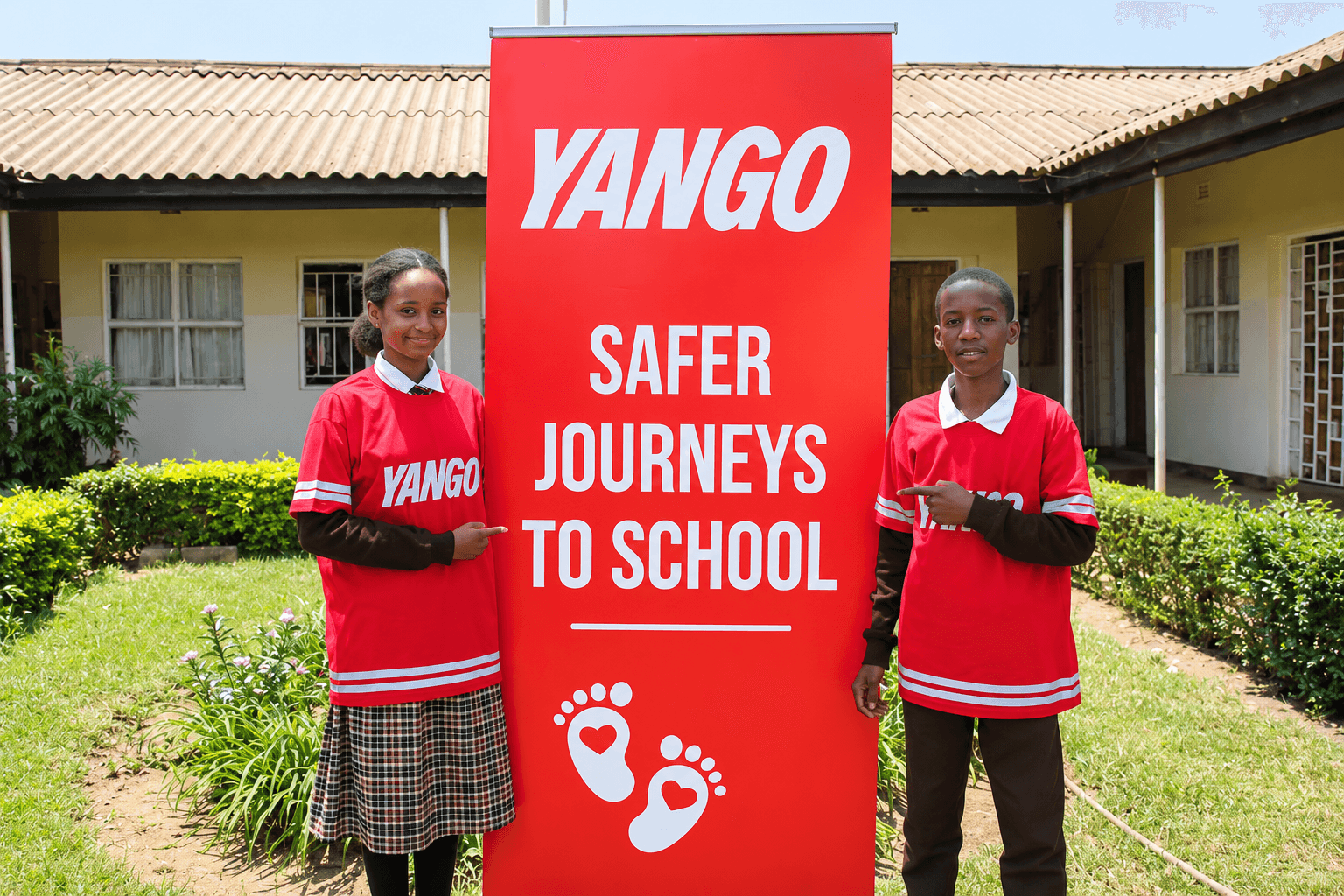
The initiative expanded to 15 schools, while road safety workshops reached more than 32,000 children.
In Côte d’Ivoire, Yango has also supported the renovation of community basketball courts in Abidjan.

One of the recently inaugurated courts is located in Port-Bouët, close to a school in a densely populated area where the space has long been used by local children, young people and other residents.
Earlier initiatives included renovating the CETI courts in Marcory, now used by more than 1,500 people each week, supporting around 30 young Ivorian female players through the Fighters NextGen project, organising camps for more than 500 girls and holding training sessions open to the wider Abidjan basketball community.
The Work Behind the Programs
The team works with local teams, educational institutions, NGOs, entrepreneurs, government organisations and other partners. There is also a lot of experimentation involved. The team looks at what works in one market, what can potentially scale, and what needs to remain very local.
I think people often see the final programme or event, but not the ecosystem that has to be built around it.
Anastasia Chukovskaya
Corporate Social Responsibility Lead (Education, Youth Empowerment, Access to Opportunities)
Across these initiatives, we invest in people, businesses and technology, while working with local partners to understand what can scale and what needs to remain local.